What is The Shelf Life of Chlorine Dioxide Tablets?
What Are Chlorine Dioxide Tablets?
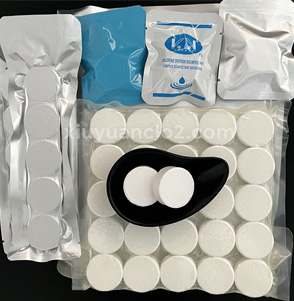
Chlorine dioxide tablets are solid disinfecting agents that release chlorine dioxide gas when dissolved in water. Known for their strong oxidizing power, these tablets are commonly used in water treatment, food sanitation, and industrial cleaning. Think of them as the secret weapon behind super-clean environments!
Common Uses Across Industries
| Application Scenario | Problems Solved | Advantages |
|---|---|---|
| Drinking Water Purification (household, outdoor, emergency) | Eliminates bacteria, viruses, protozoa, and biofilm in water; removes unpleasant odors and tastes | Safe for human consumption, highly effective at low concentrations, portable and easy to use |
| Food Industry(washing fruits, vegetables, meat, seafood) | Reduces microbial contamination; prevents foodborne illness; removes pesticide residues and odors | Non-toxic at recommended doses, no harmful by-products, preserves freshness |
| Medical & Healthcare Facilities (surface and equipment disinfection) | Controls spread of pathogens (e.g., MRSA, viruses, fungi); disinfects surgical tools and hospital surfaces | Broad-spectrum antimicrobial activity, faster action than many disinfectants, residue-free |
| Industrial Water Treatment (cooling towers, pipelines, wastewater) | Controls biofilm, algae, Legionella bacteria; prevents corrosion and fouling in systems | More effective than chlorine in biofilm removal, works over a wide pH range, reduces maintenance costs |
| Agriculture & Animal Husbandry (livestock drinking water, housing disinfection) | Reduces disease transmission in animals; disinfects barns, pens, and equipment; prevents algae and bacteria in drinking systems | Safe for animals, eco-friendly, improves animal health and productivity |
| Public Facilities & Transportation (hotels, pools, airplanes, ships) | Eliminates bacteria and viruses in shared environments; controls odors in enclosed spaces | Non-corrosive at proper levels, no strong chlorine smell, long-lasting disinfection |
| Emergency & Disaster Relief (flood, earthquake, refugee camps) | Provides safe drinking water when supply is compromised; prevents outbreaks of cholera, dysentery, etc. | Lightweight, portable, long shelf life, easy distribution in crisis |

Shelf Life of Chlorine Dioxide Tablets
Average Shelf Life Duration
So, what’s the magic number? Generally, chlorine dioxide tablets have a shelf life of 2 to 3 years if stored properly. Some high-quality products may even last up to 5 years under ideal conditions.
Unopened vs Opened Tablets
Unopened tablets maintain their potency much longer than opened ones. Once exposed to air or moisture, their shelf life drops significantly. That’s why resealing the packaging tightly is so important.
Storage Conditions Matter
Temperature Control
Cool, dry storage is essential. Aim to keep tablets at temperatures between 15°C to 25°C (59°F to 77°F). Extreme heat or cold can degrade the active ingredients faster than you'd expect.
Moisture and Humidity Factors
Moisture is the enemy! Even a small amount of humidity can activate chlorine dioxide prematurely. Store tablets in airtight containers with desiccants if needed.
Exposure to Air and Light
Oxygen and UV light can cause chemical breakdown. Store them in opaque, sealed containers to prevent unnecessary exposure.
How to Extend Shelf Life
Proper Packaging Practices
Vacuum-sealed pouches or foil blister packs are gold standards in packaging. These limit air, moisture, and light exposure, preserving the tablet’s effectiveness for longer.
Storage Tips for Long-Term Use
Keep away from direct sunlight
Store in a cool, dry pantry or cabinet
Avoid transferring tablets to unsealed jars
Use silica gel packs to control humidity
Signs That Chlorine Dioxide Tablets Have Expired
Physical Changes
Discoloration, softening, or powdery residue are red flags. A fresh tablet is typically white and solid. If it looks “off,” it probably is.
Ineffective Performance
If your solution smells weak or doesn’t bubble or fizz during activation, it’s likely past its prime. Always trust your senses—smell, look, and texture can tell you a lot.
Safety Concerns with Expired Tablets
Health Risks
Expired tablets may not fully disinfect, leading to bacterial or viral contamination. This is especially risky in food and medical settings.
Environmental Impacts
Improper disposal of expired tablets can lead to chemical pollution. Always follow local guidelines for disposal to stay eco-friendly.
Best Practices for Purchasing
Choosing Reputable Suppliers
Buy only from certified, well-reviewed sources. Knockoff or off-brand tablets might lack proper sealing, shortening their shelf life right off the bat.
Understanding Manufacturing and Expiry Dates
Always look for clearly printed manufacturing and expiration dates. If either is missing, consider it a red flag.
Real-Life Applications and Why Shelf Life Matters
Water Purification
In emergency kits or outdoor expeditions, expired tablets can mean unsafe drinking water—definitely not what you want on a survival trip.
Food Processing
Proper sanitation keeps products safe and legally compliant. Using expired chemicals could lead to recalls or worse.
Medical and Laboratory Use
Hospitals and labs rely on precise chemical concentrations. Using compromised tablets could affect test results or fail to sterilize equipment.
Chlorine Dioxide vs Other Disinfectants
| Feature | Chlorine Dioxide (ClO₂) | Chlorine / Hypochlorite | Hydrogen Peroxide (H₂O₂) | Iodine |
|---|---|---|---|---|
| Germicidal Spectrum | Broad (bacteria, viruses, spores) | Broad (spores more resistant) | Broad (spores moderately resistant) | Broad (spores weakly affected) |
| By-products | Minimal, no harmful organochlorines | Many, may form trihalomethanes | None, decomposes to water and oxygen | Minimal, may leave color residue |
| Stability | Moderate, requires on-site generation or low-temp storage | Easily decomposes, volatile | Unstable, decomposes easily | Light-sensitive, store away from light |
| Applications | Drinking water, food processing, hospitals | Water treatment, swimming pools, wastewater | Hospitals, food processing, surface disinfection | Skin and wound disinfection |
| Environmental Impact | Relatively safe | Can pollute water | Eco-friendly | Minimal, but may stain |
FAQs About Chlorine Dioxide Tablet Shelf Life
Can I use chlorine dioxide tablets after the expiration date?
It’s not recommended. Effectiveness drops, and safety may be compromised.What happens if I accidentally use an expired tablet?
It might not disinfect properly, which could lead to contamination.Do chlorine dioxide tablets need refrigeration?
Not necessarily, but storing in a cool, dry place is essential.Can moisture ruin an unopened pack?
If the seal is broken or poorly made, yes. Always inspect packaging.How do I dispose of expired chlorine dioxide tablets?
Follow your local hazardous waste disposal guidelines or contact the manufacturer.


Comments
Post a Comment